
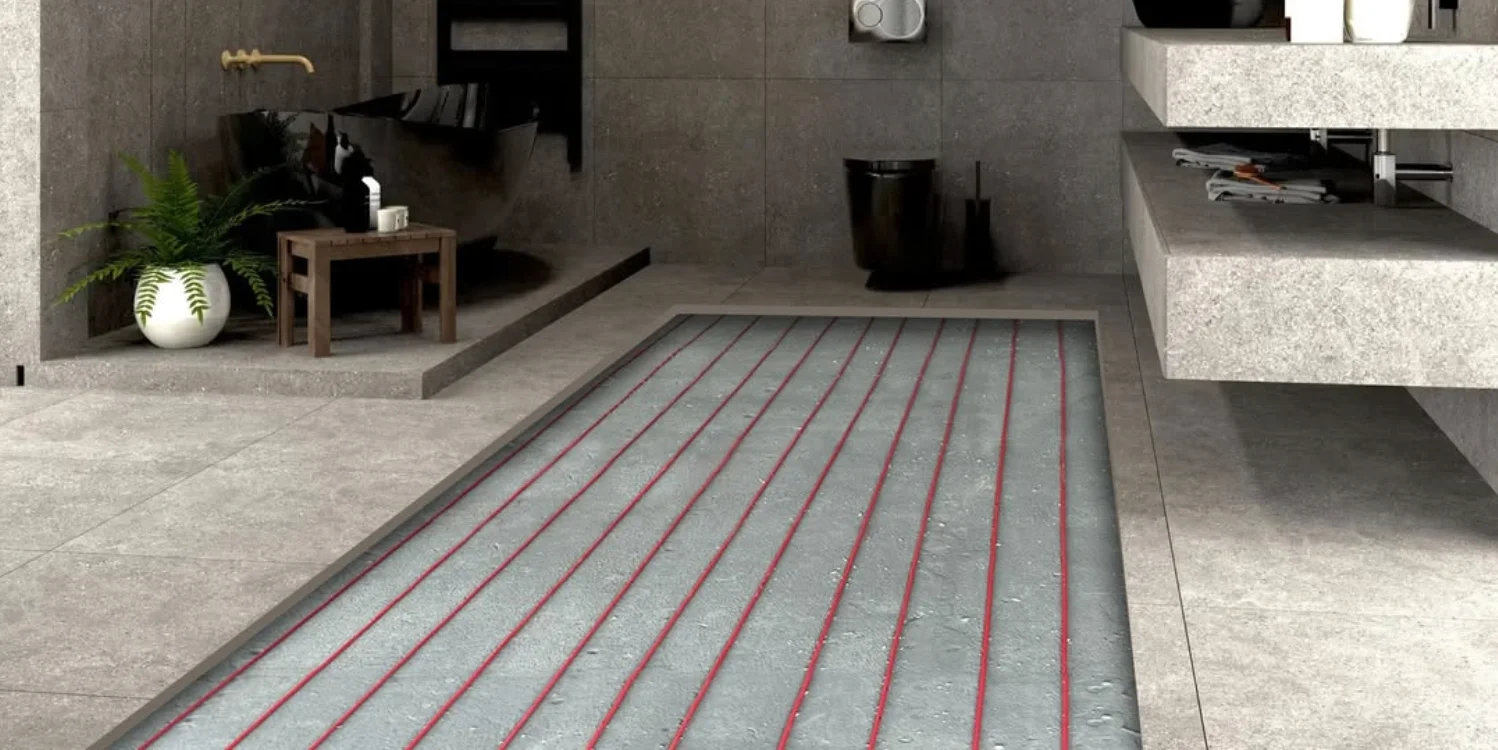
When it comes to renovating your home, there are many options to choose from to make your space both beautiful and functional. One of the most popular flooring choices is tiles, as they are durable, stylish, and easy to clean.
However, if you are considering installing underfloor heating, you may be wondering whether floor tiles are heat resistant enough to withstand the extra heat.
It is important to note that different tile materials have varying degrees of heat resistance. There are several factors that can affect the heat resistance of floor tiles, including:
Before looking for heat-resistant floor tiles, let’s learn about what factors to consider and the tips for installation and maintenance.
Yes, most floor tiles are heat resistant and can withstand the heat generated by underfloor heating. However, some types of tiles may not be suitable for use with underfloor heating, as they can crack or warp when exposed to high temperatures.
There are several types of floor tiles that are known for their heat resistance:
Additionally, when choosing heat-resistant floor tiles, consider the following factors:
Floor tiles are an attractive and practical flooring option for homes and commercial spaces. They can be heat resistant, but it depends on the type of tile and the amount of heat they are exposed to. Some types of floor tiles, such as ceramic and porcelain, are more heat resistant than others, such as vinyl or linoleum.
However, even heat-resistant tiles can become damaged if they are exposed to extremely high temperatures for extended periods. It is important to check the manufacturer’s recommendations for the specific type of tile you are considering and to use appropriate heating precautions, such as using a heat shield or protective mat, to prevent damage.
Proper maintenance can help prolong the heat resistance of floor tiles. Therefore, installing heat-resistant tiles requires careful planning and execution to ensure maximum heat protection.
To maintain the heat resistance of your floor tiles, follow these tips:
Underfloor heating systems offer several advantages, including:
Coldbuster Floor Heating is ideal for almost any flooring type. Even distribution of heat ensures higher thermal efficiency and lower running times.
Here are some key reasons why you should purchase our under tile heating kits:
Remember, our heating quotes, plans and amendments come with no obligation and are FREE! Browse our products and do not hesitate to contact us at 1800 85 75 65. We would be happy to assist you!
Yes, underfloor heating systems can be installed under existing flooring. However, it’s important to consult with a professional installer to ensure that the existing flooring is suitable for use with underfloor heating systems.
The lifespan of underfloor heating systems can vary depending on the type of system, the quality of installation, and the amount of use. Generally, underfloor heating systems can last anywhere from 25 to 45 years with proper maintenance and care.
The cost of installing underfloor heating systems can vary depending on the size of the area to be heated, the type of system being installed, and the quality of the materials used. On average, the cost of installing underfloor heating systems can range from $10 to $20 per square foot.
Yes, underfloor heating systems are safe when installed and used properly. It’s important to choose a reputable installer and to follow all safety guidelines provided by the manufacturer.